
28 Places from the Bible you can still visit today
A bucket-list guide to the Holy Land that you can still see in person.
If you’ve ever read the Bible and wondered whether those places still exist, the answer is yes. Across the Holy Land, you can visit cities, tombs, rivers, and mountains directly tied to Biblical events. Standing in these places adds an entirely new layer of meaning to Scripture and makes for one of the most powerful trips you can take.
Below is a curated guide to places in the Bible you can still visit today, organized to help you plan a meaningful itinerary.
Sites Connected to the Life of Jesus
Mount of Beatitudes: Traditionally believed to be where Jesus preached the Sermon on the Mount overlooking the Sea of Galilee.
Capernaum: Known as Jesus’ ministry base, featuring ancient synagogues and early Christian homes.
Church of the Multiplication: Marks the site where Jesus performed the miracle of the loaves and fishes in Tabgha.
Peter’s House: Believed to be the home of the Apostle Peter and one of the earliest Christian gathering places.
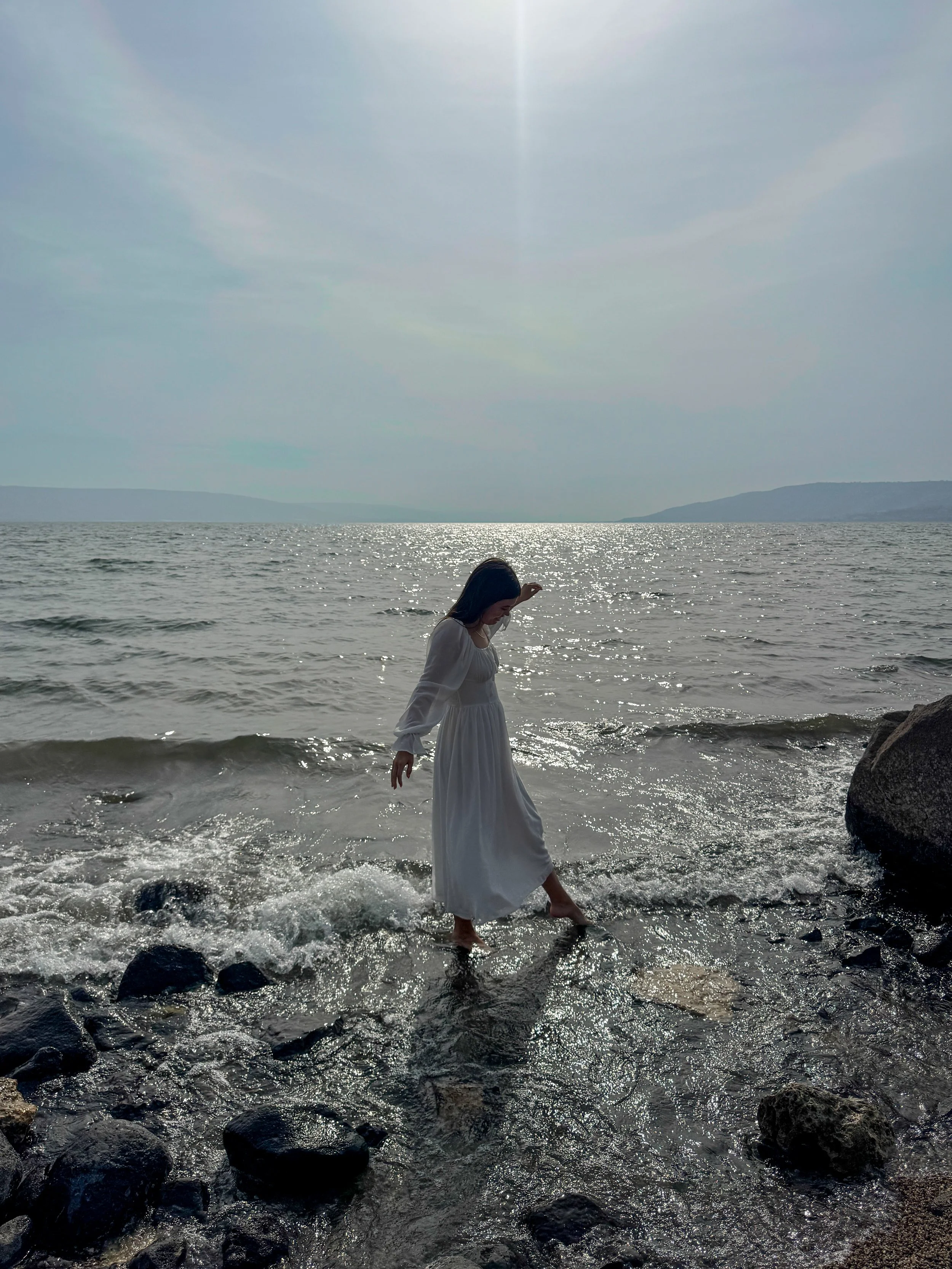
Sea of Galilee: Where Jesus calmed the storm, walked on water, and called His disciples.
Mount of Temptation: Traditionally believed to be where Jesus fasted for forty days and was tempted by Satan.
Jerusalem: The Heart of Biblical History
Via Dolorosa: The path Jesus walked carrying the cross to His crucifixion.
Crucifixion Site: Located within the Church of the Holy Sepulchre, marking where Jesus was crucified.
Jesus’ Tomb: Also within the Church of the Holy Sepulchre, believed to be the site of Jesus’ burial and resurrection.
Garden of Gethsemane: Where Jesus prayed, was betrayed by Judas, and arrested.
Mount of Olives: A key biblical location tied to Jesus’ teachings and final days.
Chapel of the Ascension: Traditionally believed to be the place where Jesus ascended into heaven.
Dominus Flevit: Marks where Jesus wept over Jerusalem and foretold its destruction.
Bethesda Pools: Where Jesus healed a man who had been paralyzed for 38 years.
Room of the Last Supper: Also known as the Cenacle, where Jesus shared the Last Supper with His disciples.
Dormition Abbey: Marks the traditional site where Mary spent her final days before her assumption into heaven.
Tomb of Mary: Believed to be the burial place of Mary, located in the Kidron Valley.
King David’s Tomb: Traditionally believed to be the burial place of King David.
Nazareth and Bethlehem
House of Mary in Nazareth: Believed to be the site where the Angel Gabriel announced the birth of Jesus to Mary.
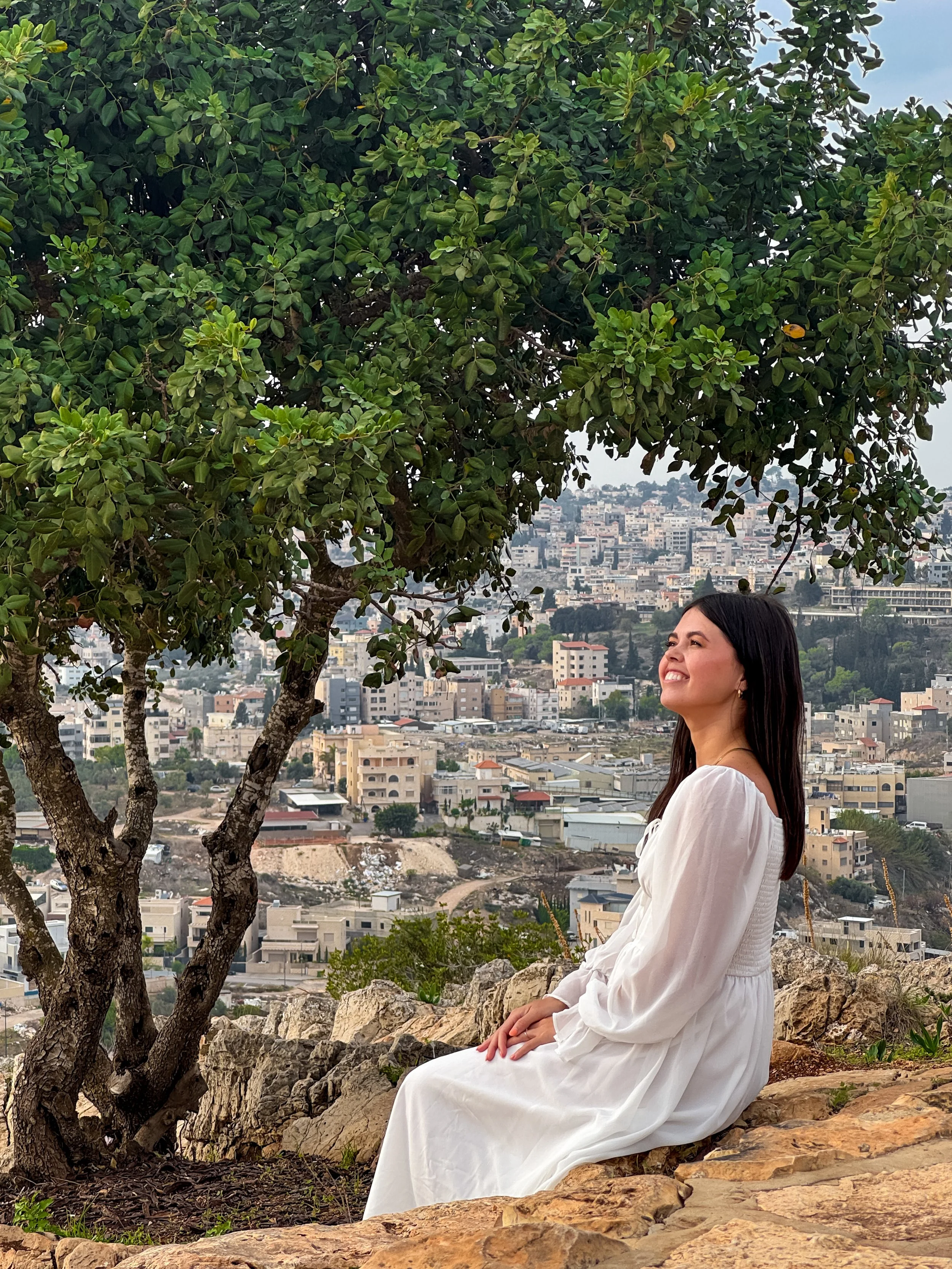
Nazareth: Jesus’ childhood town and a major pilgrimage site in the Galilee region.
Bethlehem: The birthplace of Jesus and a cornerstone of Christian pilgrimage.
Grotto of the Nativity: Located beneath the Church of the Nativity, marking where Jesus was born.
Mass Grave of the Innocents: Associated with King Herod’s order to kill the children of Bethlehem.
Jordan: Major Biblical Sites
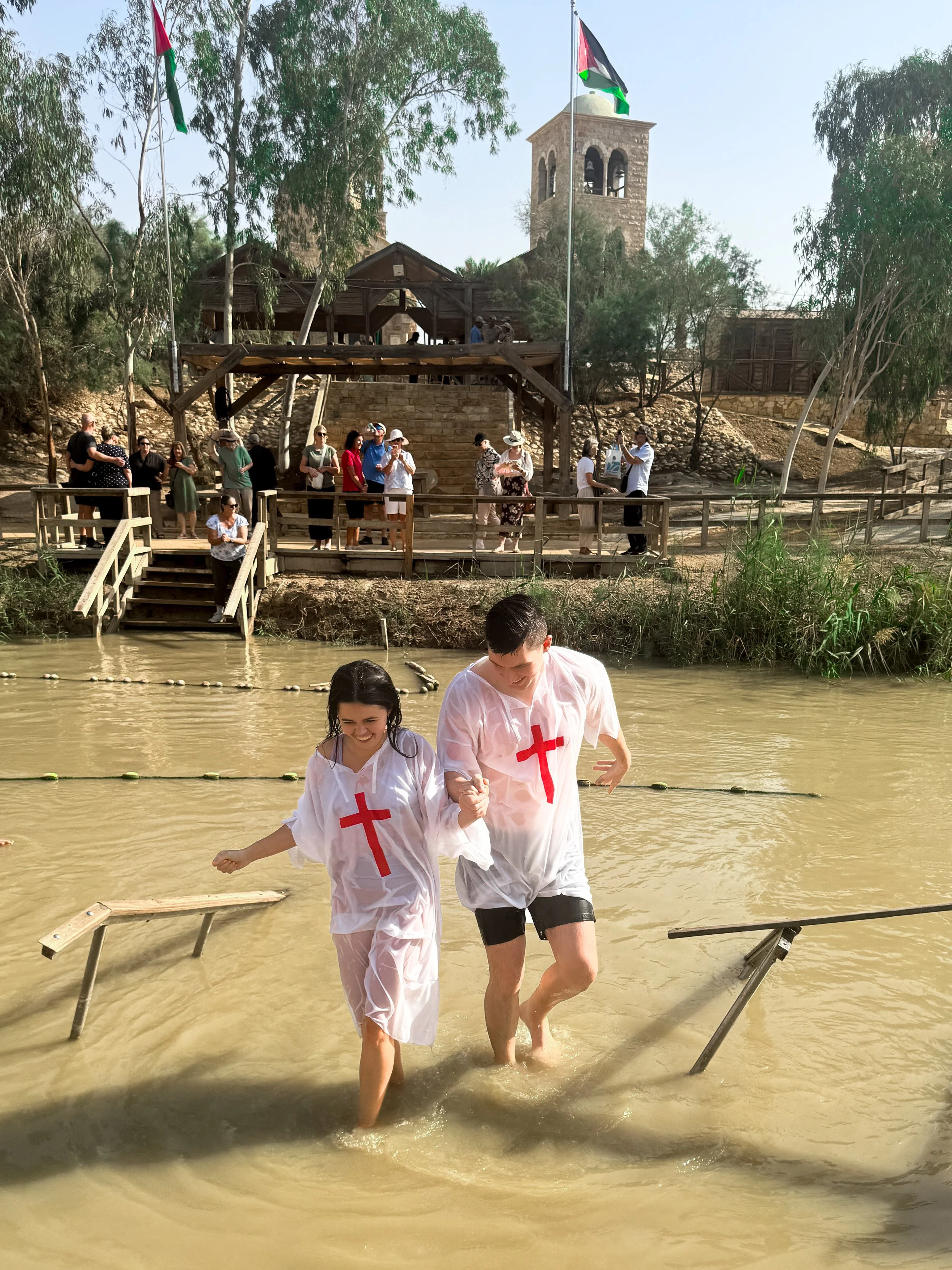
Jordan River: Traditionally believed to be the place where Jesus was baptized by John the Baptist. You can also get baptized in the Jordan River at the same place where Jesus was.
Mount Nebo: Where Moses viewed the Promised Land before his death.
Beheading of John the Baptist Site: Traditionally linked to Machaerus, where John the Baptist was imprisoned and executed.
Archaeological and Prophetic Locations
Dead Sea Scrolls: Ancient biblical manuscripts discovered near the Dead Sea, some of the oldest known Scripture texts.
Valley of Armageddon (Megiddo): Referenced in the Book of Revelation as the site of a future final battle.
These biblical sites aren’t just historical landmarks. They’re places where faith, history, and Scripture intersect in a tangible way. Whether you’re deeply religious, spiritually curious, or simply fascinated by ancient history, visiting these locations offers an experience unlike any other.
Ready to plan your trip? Fill out my trip inquiry form and we can start planning today!
