
The Antarctica Cruise Guide I Wish I Had Before Booking
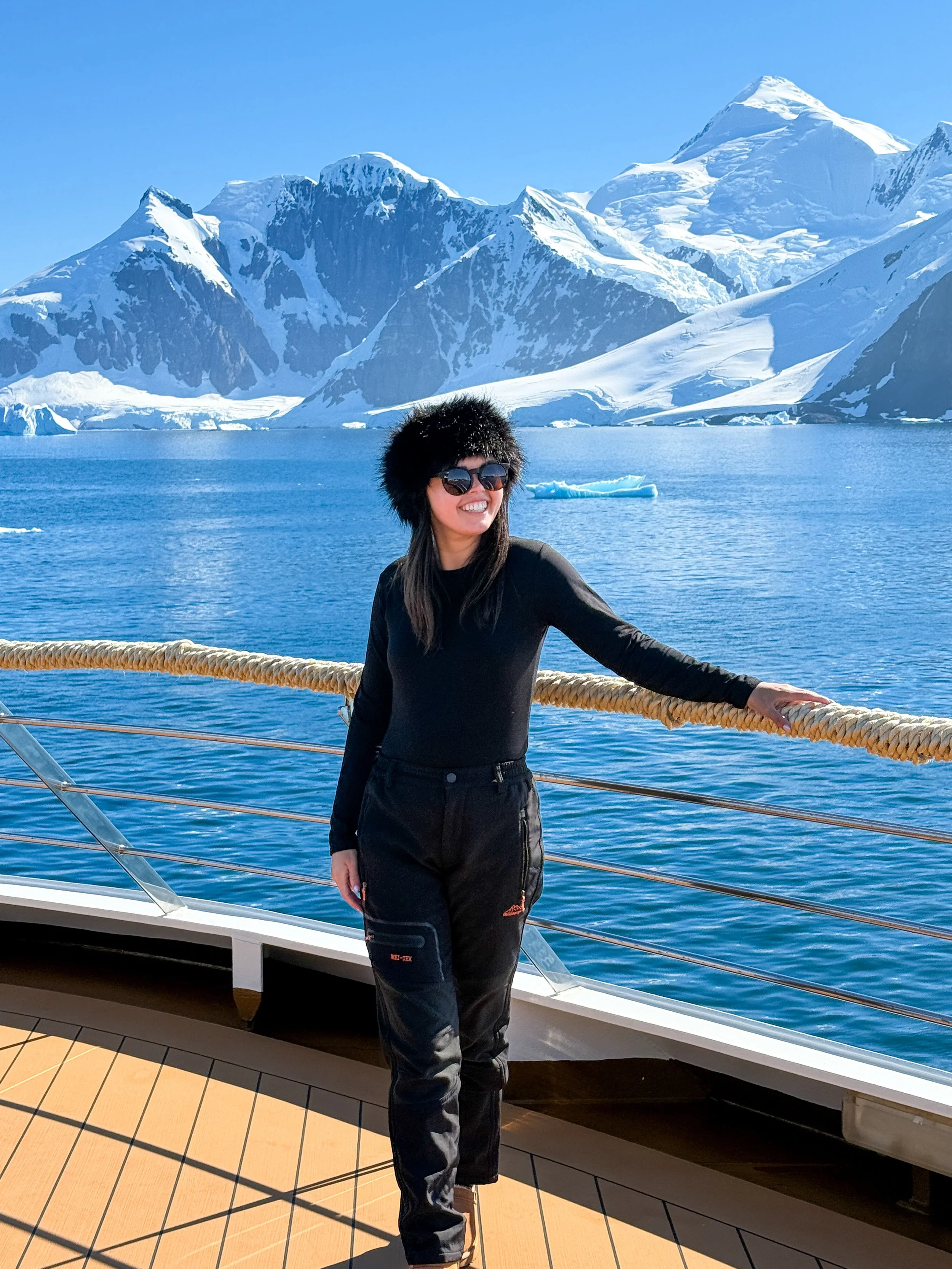
An Antarctica cruise is one of those trips that feels completely unreal. One day you’re crossing the Drake Passage, and the next you’re stepping onto the White Continent, watching penguins waddle by, cruising past icebergs, and experiencing the midnight sun in one of the most remote places on Earth.
If Antarctica is on your bucket list, here’s everything you need to know before booking an expedition cruise, including what to expect, how much it costs, what to pack, and which once-in-a-lifetime experiences are worth adding.
Choose an Expedition Cruise
Book an expedition cruise, not a mega cruise: If you want to actually step foot on Antarctica, you need a smaller expedition ship. Ours had fewer than 200 people onboard, including crew, which allowed us to do frequent Zodiac landings and spend more time off the ship.
Look for Zodiac landings and safaris: These are the experiences that make an Antarctica cruise so special. Landings let you walk on the continent, while Zodiac safaris get you closer to icebergs, penguins, seals, whales, and the wildest scenery.
Smaller ships make a huge difference: Larger ships may sail near Antarctica, but they usually cannot offer the same number of landings or up-close experiences. If you are going all the way to Antarctica, expedition cruising is absolutely the way to do it. For reference, our cruise had less than 200 people onboard including crew.
Prepare for the Drake Passage
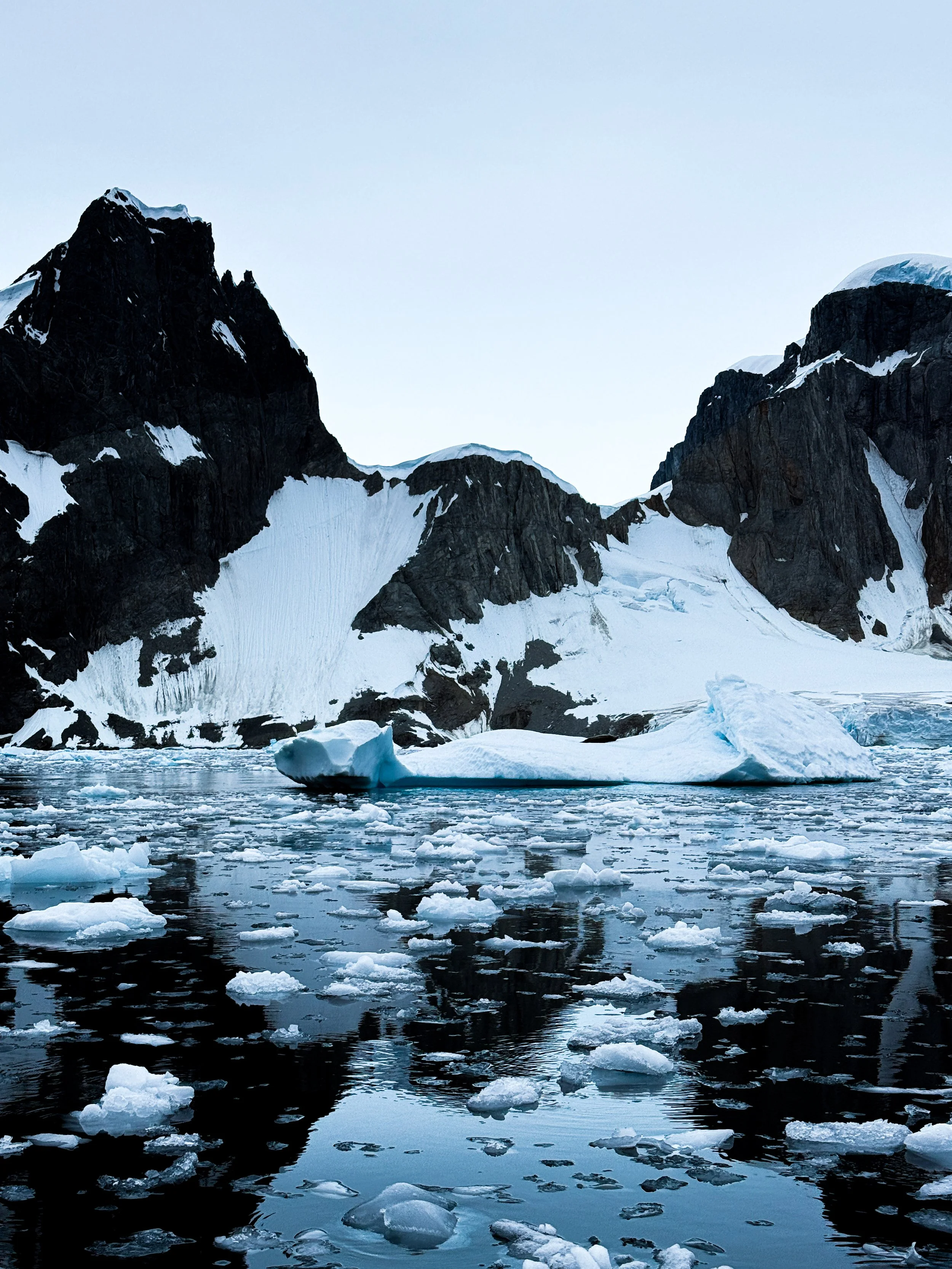
Drake Lake or Drake Shake: The Drake Passage is the stretch of ocean between South America and Antarctica, and it can be either calm or very rough. You really do not know what you are getting until you are crossing it.
Pack motion sickness medication: Even if you do not normally get seasick, bring it and start taking it before the crossing begins. This is not the place to test your limits.
Build in buffer time before your cruise: Plan at least two nights before embarkation in case of flight delays. Many cruises include a charter flight to Ushuaia, Argentina, and missing that connection is not something you want to risk.
Expect a Captain’s Choice Itinerary
There is no set schedule: Antarctica makes the rules. Your route and daily plans depend on weather, sea ice, wildlife, and landing conditions.
Daily announcements guide the day: Most mornings, the captain or expedition team announces the plan over the loudspeaker. Typically, the day includes two outings, usually one in the morning and one in the afternoon.
Flexibility is part of the adventure: You may not know exactly when you are doing certain activities, like camping or kayaking, until the day of. It sounds chaotic, but it also makes the trip feel even more exciting.
What a Day on an Antarctica Cruise Looks Like
Morning wake-up call: Your day usually starts with an announcement from the captain or expedition team telling you what the plan is for the day.
Breakfast onboard: You can head to the buffet-style breakfast or order breakfast to your room before gearing up for the first outing.
Mudroom routine: Before each excursion, you’ll head to the mudroom to put on your base layers, cruise-provided parka, waterproof boots, and life jacket.
Boot sanitization: Before and after stepping onto the Zodiac, your boots are cleaned to protect Antarctica’s fragile ecosystem.
Morning landing: Landings usually last around an hour and a half. You’ll walk marked trails, take in the views, and see wildlife like penguins and seals up close.
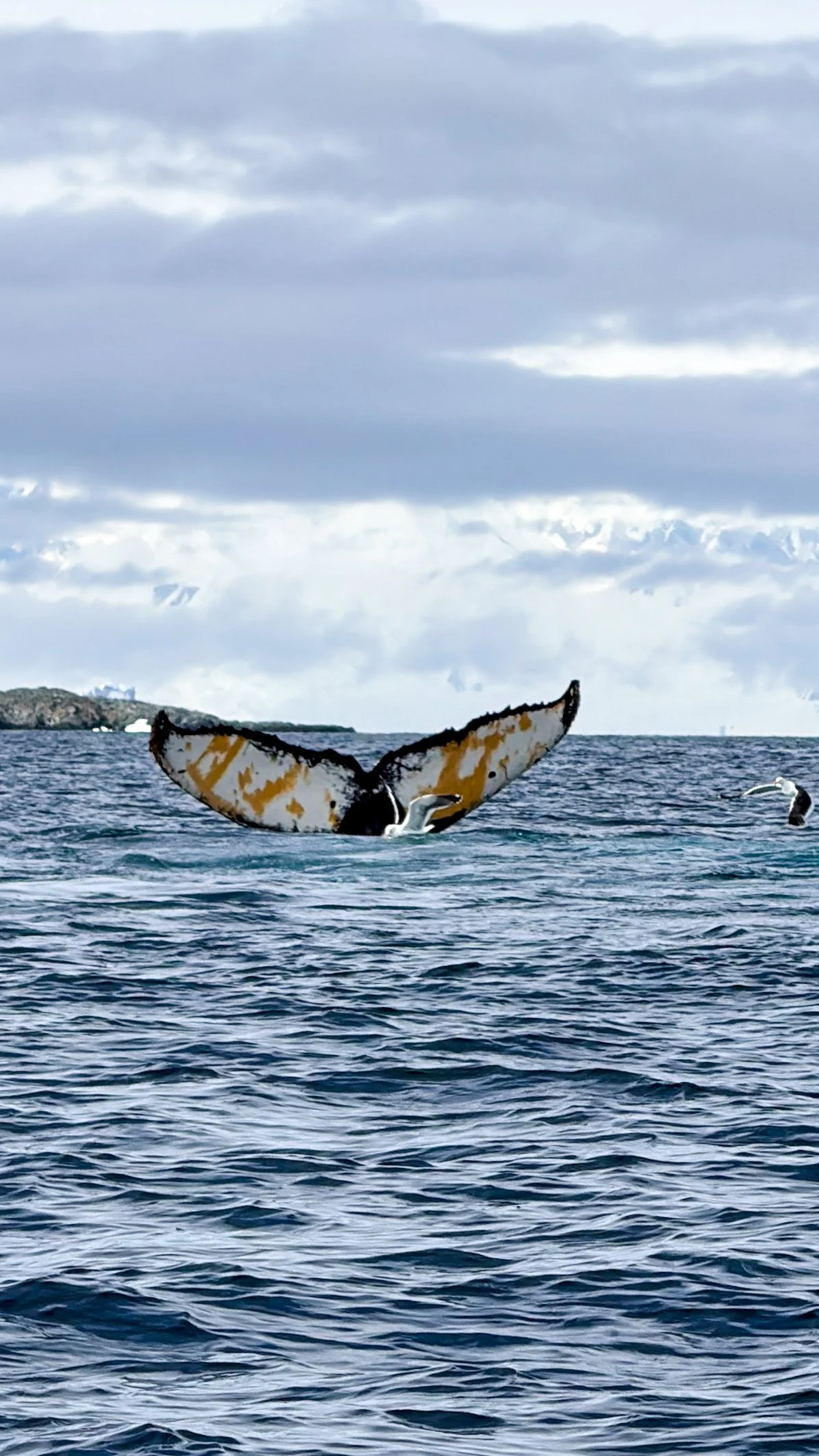
Afternoon Zodiac cruise: Later in the day, you may head out by Zodiac to cruise around icebergs and look for whales, seals, penguins, and other wildlife. We saw so many orcas on one outing, and it was unreal.
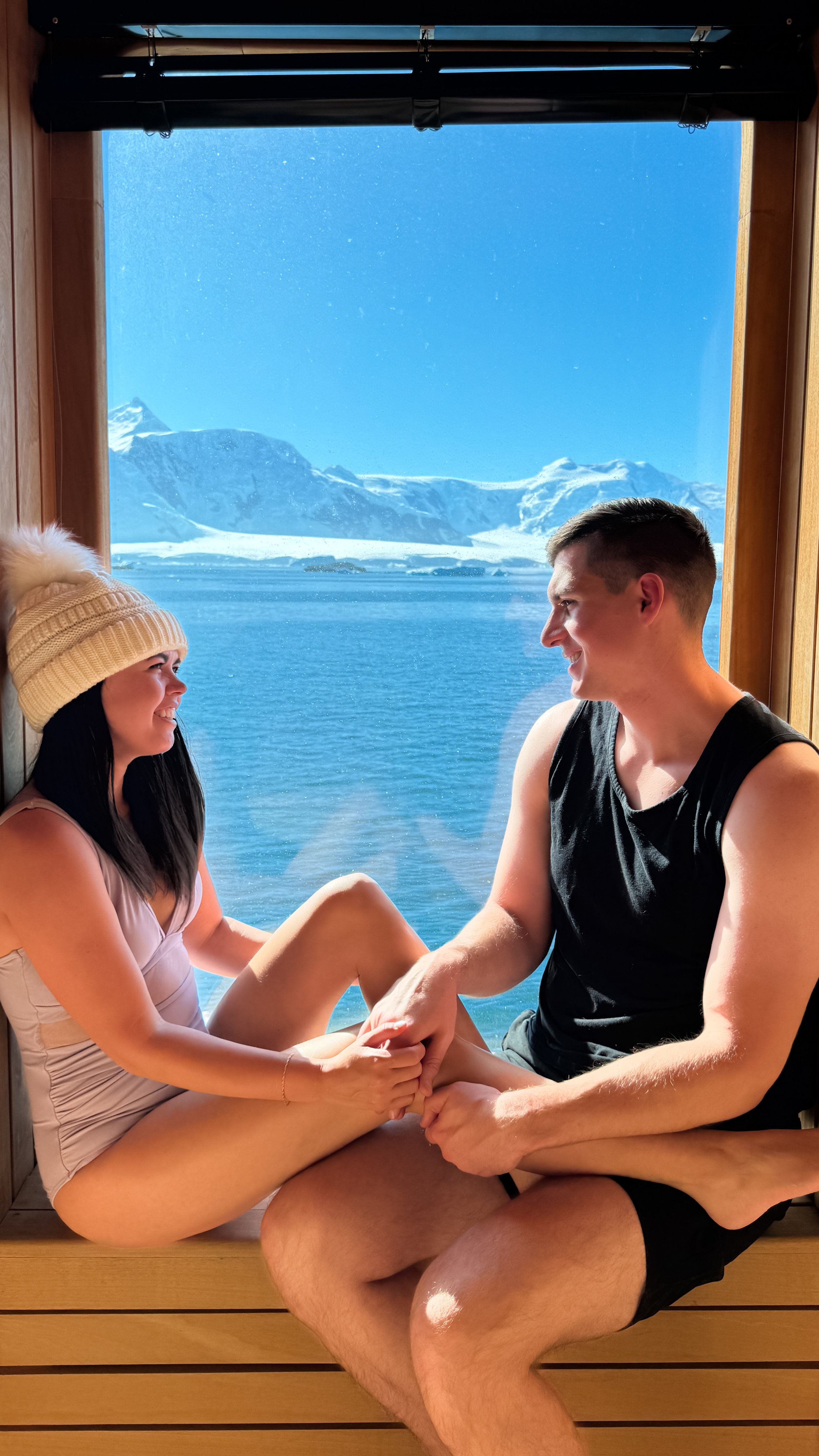
Downtime onboard: Between outings, you can grab coffee and a pastry, warm up in the sauna, relax in the lounge, or just watch the scenery from your room.
Evenings onboard: Dinner is usually à la carte with great options, especially seafood. After dinner, head to the panoramic lounge for cocktails, scenery, and the midnight sun.
Add-On Experiences to Consider
Polar plunge: Many Antarctica expedition cruises include the polar plunge, and it is exactly what it sounds like. You jump into freezing Antarctic water, and it becomes one of those wild bragging-rights moments.
Sea kayaking: If kayaking is offered, it is worth considering even if it’s an an extra cost. It gives you a quieter, more intimate way to experience the ice, wildlife, and landscape.
Camping on the continent: This is usually an extra cost, but if you are already going all the way to Antarctica, it is one of the most unique things you can do.
Sign up early: For the activities not included in your expedition (like camping and kayaking), sign up very early because only a limited amount of people from the ship are allowed to do these because of the continent’s restrictions. We signed up as soon as we booked the cruise and were able to do them all. But I know there was people that tried to sign up once onboard and they were denied.
What it’s really like to Camp on Antarctica
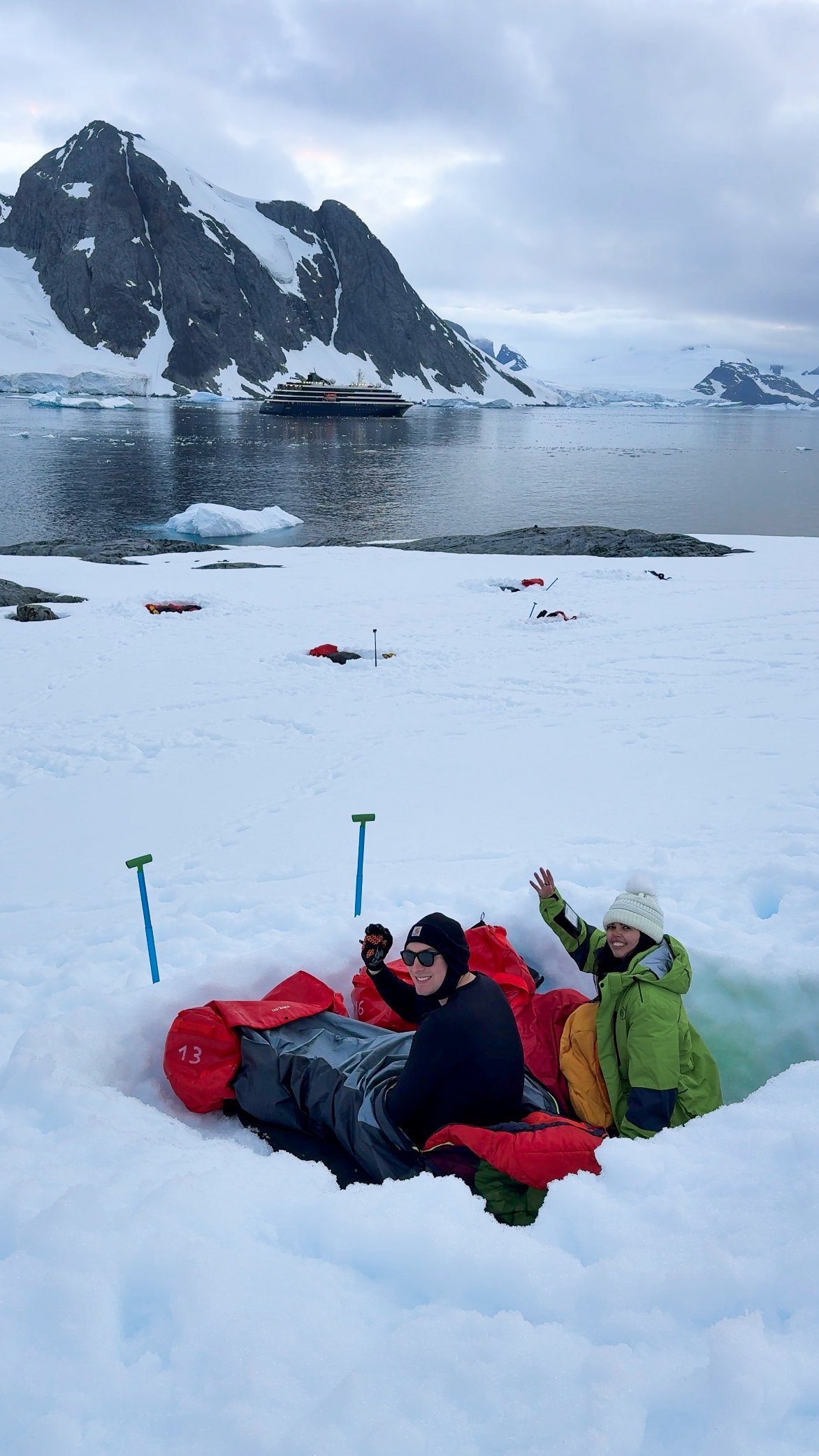
Camping is worth adding: If your cruise offers camping on Antarctica, do it. It is cold, chaotic, and completely unforgettable and you will not regret it. Only .00003% of the world gets to say they’ve actually spent the night ON Antarctica.
You may not know until the day of: Because camping depends entirely on weather and conditions, we only found out the morning-of that we were going ashore that night.
What they provide: Once you arrive on land, you are usually given a sleeping bag and a shovel. The shovel is used for you to dig yourself a knee-deep snow hole to block the wind.
What it is actually like: We spent about 7 to 8 hours on the continent and slept maybe 1 or 2 hours total. Between the midnight sun, whale sounds, and penguins wandering nearby, it was hard to sleep, but completely magical. It honestly wasn’t extremely cold though because the sleeping bags they gave us were amazing and we also brought our handwarmers and slept in our base layers.
Restrooms: Unfortunately, there are no restrooms in the middle of nowhere on Antarctica. But they did provide a shared bucket for everyone to use if needed. Thankfully, we didn’t have to use it because we stopped eating and drinking about 6 hours before we left for shore.
Leave no trace: Before heading back to the ship, you fill your snow hole back in so wildlife, especially penguins, do not fall in and get stuck.
What to Know Before Doing the Polar Plunge
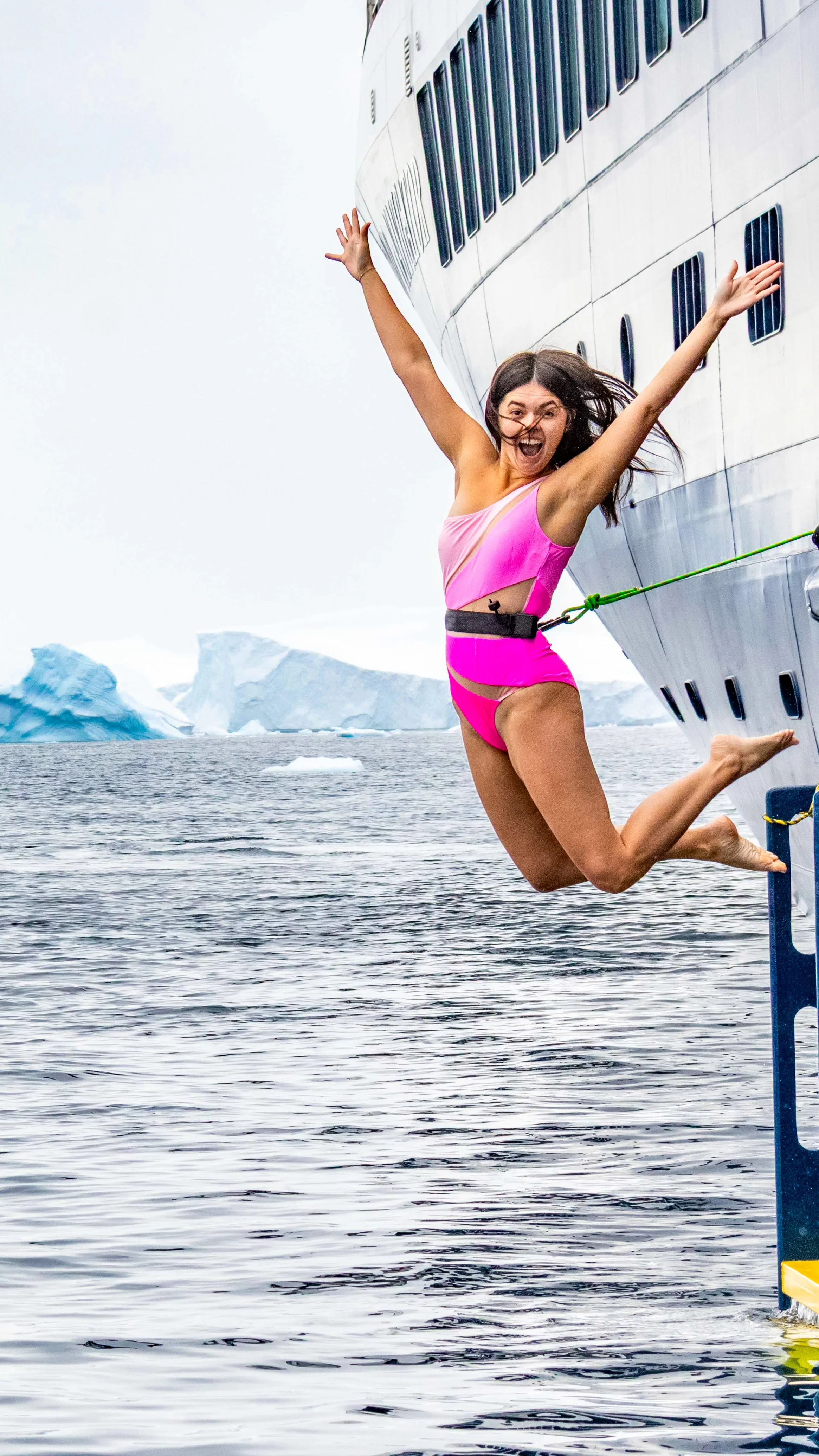
The polar plunge is a true bucket list moment: Even on an already once-in-a-lifetime Antarctica cruise, the polar plunge is one of those experiences that feels extra wild. You are literally jumping into freezing Antarctic water with icebergs nearby, and it is just as crazy as it sounds. But you can NOT miss this experience if you’ve gone all the way here.
You may not get much warning: Like most things on an Antarctica cruise, the polar plunge is usually captain’s choice and depends on weather, sea conditions, and safety. We only got about a 30-minute warning before it was happening, so you have to be mentally ready to say yes fast.
What to wear: Everyone doing the plunge heads down to the mudroom in just their swimsuit.
How it works: When it is your turn, the crew straps you to a safety rope before you jump in. The rope is there in case your body goes into shock because of the cold or you need help getting out quickly. And yes, there is usually a photographer taking photos, so do not forget to strike a pose on the way in.
How cold is the water?: Our water was around 33°F, and there was a literal iceberg nearby. I am not exaggerating when I say I needed to get out immediately. It is cold in a way that fully shocks your system.
The best part afterward: As soon as you get out, someone is waiting with a towel, and that person will instantly become your favorite person on the ship. They also handed us a shot of vodka afterward to warm us up from the inside out, which felt very necessary.
Would I do it again?: I am so glad I did it once, and I absolutely think it is worth adding to your Antarctica cruise. But would I do it again? Honestly, probably not.
What to Pack for an Antarctica Cruise
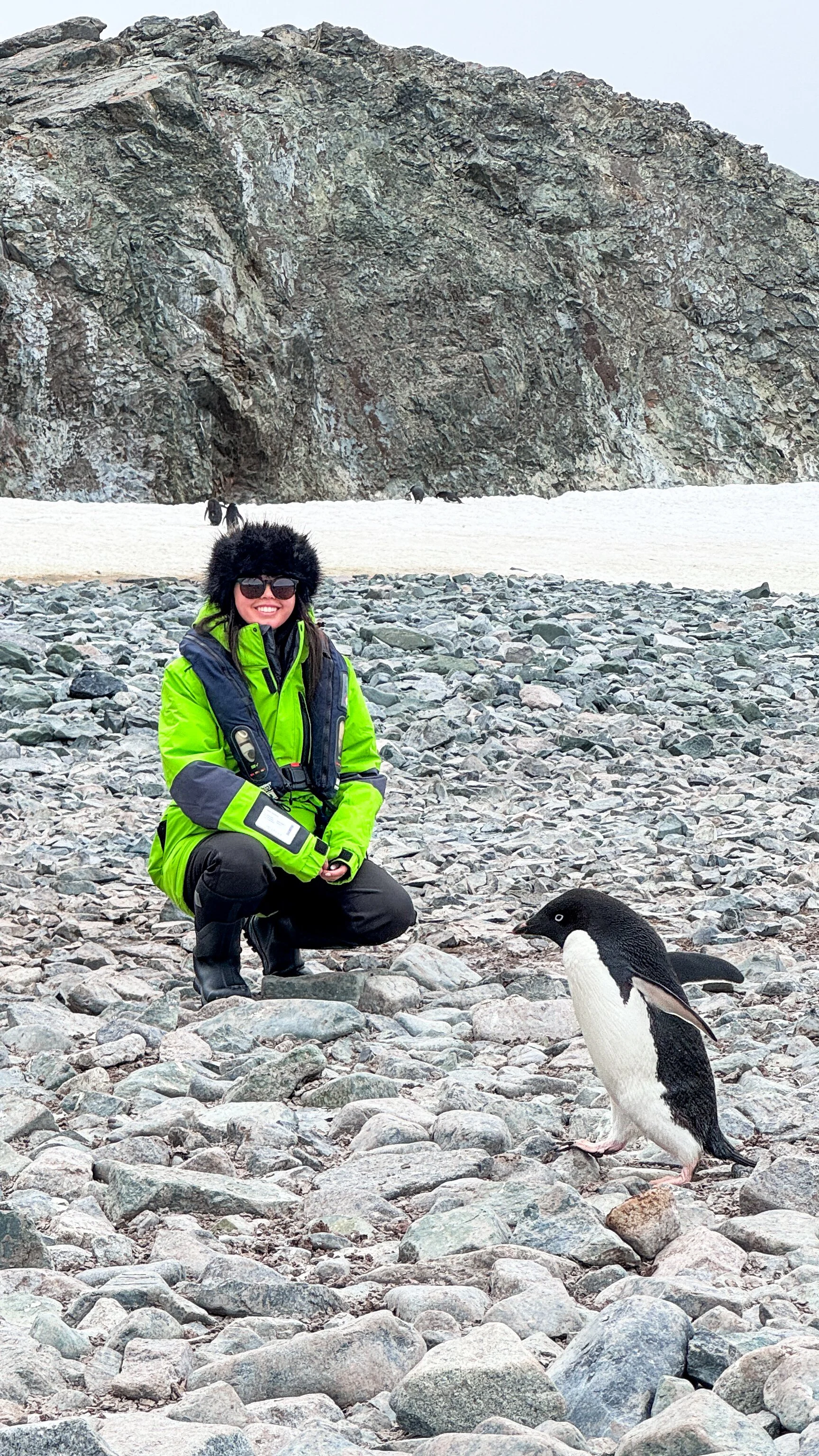
Do not overpack: Most expedition cruises provide the bulky gear, including a heavy expedition parka (which you get to take home), waterproof boots for landings, and sometimes binoculars.
Bring smart layers: Pack base layers, mid layers, fleece, gloves, beanies, a neck gaiter, and waterproof pants for Zodiac rides.
Prioritize ship shoes: You will spend a lot of time walking around the ship, so bring comfortable, easy slip-on shoes or boots for onboard. You want to be able to easily slip them on in case there’s an awesome wildlife sighting you need to run to check out.
Pack eye protection: Polarized sunglasses or ski goggles are helpful because the sun reflecting off the ice can be intense.
Hand warmers: These are great for landing, Zodiac cruise, watching wildlife from the decks, and especially if you decide you want to camp.
How Much Does an Antarctica Cruise Cost?
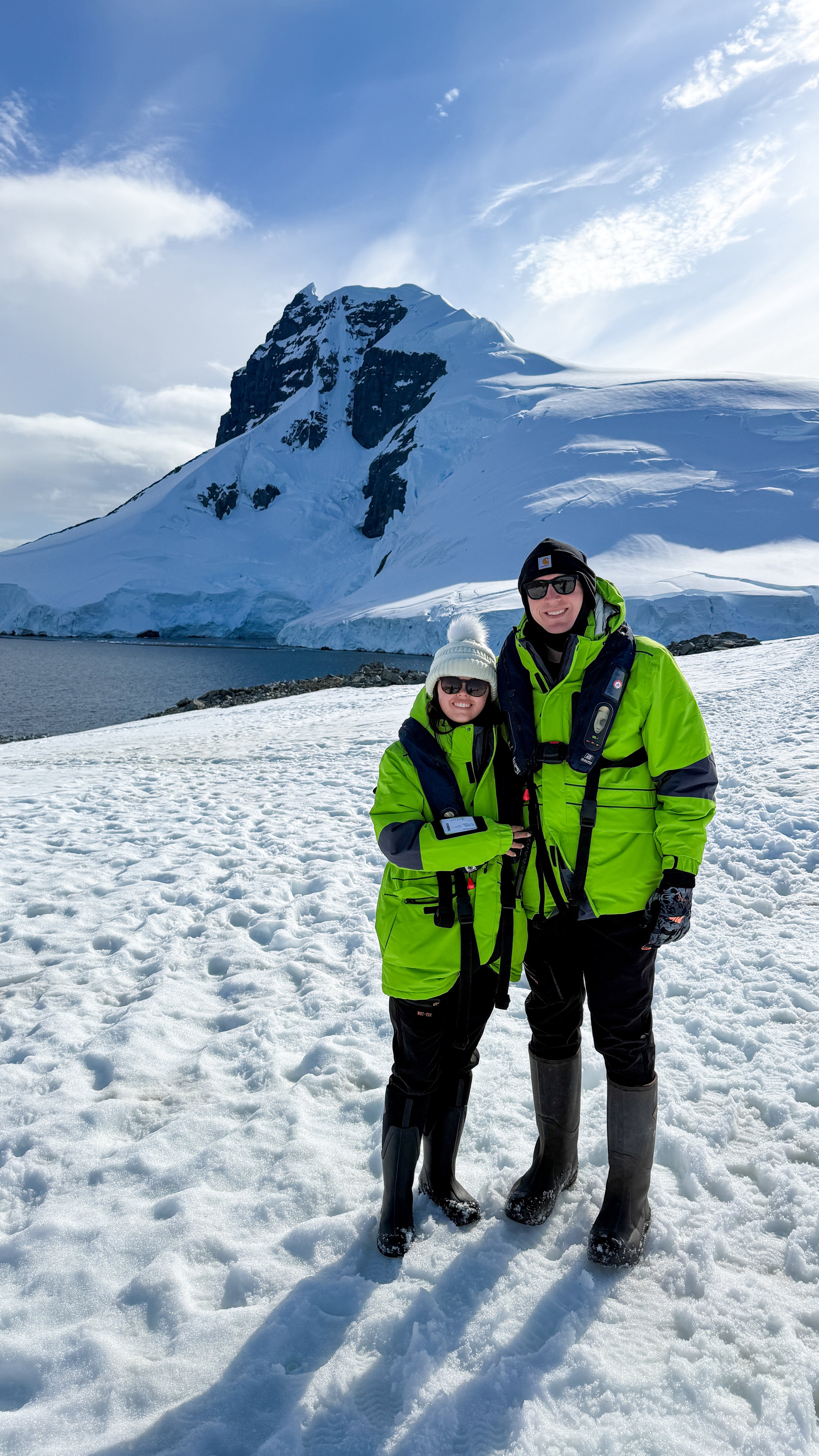
Expect a splurge: Antarctica is one of the most remote destinations in the world, so it is not a cheap trip. Entry-level expedition cruises can start around $9,000 per person for a shared cabin.
Luxury cruises cost more: We paid around $13,000 per person for an 11-night all-inclusive luxury expedition cruise with a balcony cabin that crossed the Antarctic Circle.
Know what is included: Our cruise included the Buenos Aires hotel the night before departure, the charter flight to Ushuaia, all food, drinks, room service, Zodiac rides, shore landings, and the polar plunge.
Budget for extras: You still need to factor in flights to your starting point, any additional pre- or post-cruise hotels, gear you may need, and optional add-ons like camping or kayaking.
When to Go to Antarctica
Antarctica cruise season: Most cruises run during the Southern Hemisphere summer, roughly November through March.
Midnight sun season: During summer, you get long, bright days and dreamy light that makes the scenery feel even more surreal.
Wildlife timing varies: Penguins, whales, seals, and ice conditions can vary by month, so the best time to go depends on what you most want to see. Thankfully, us going at the end of December allowed us to see it all.
Antarctica Misconceptions and FAQs
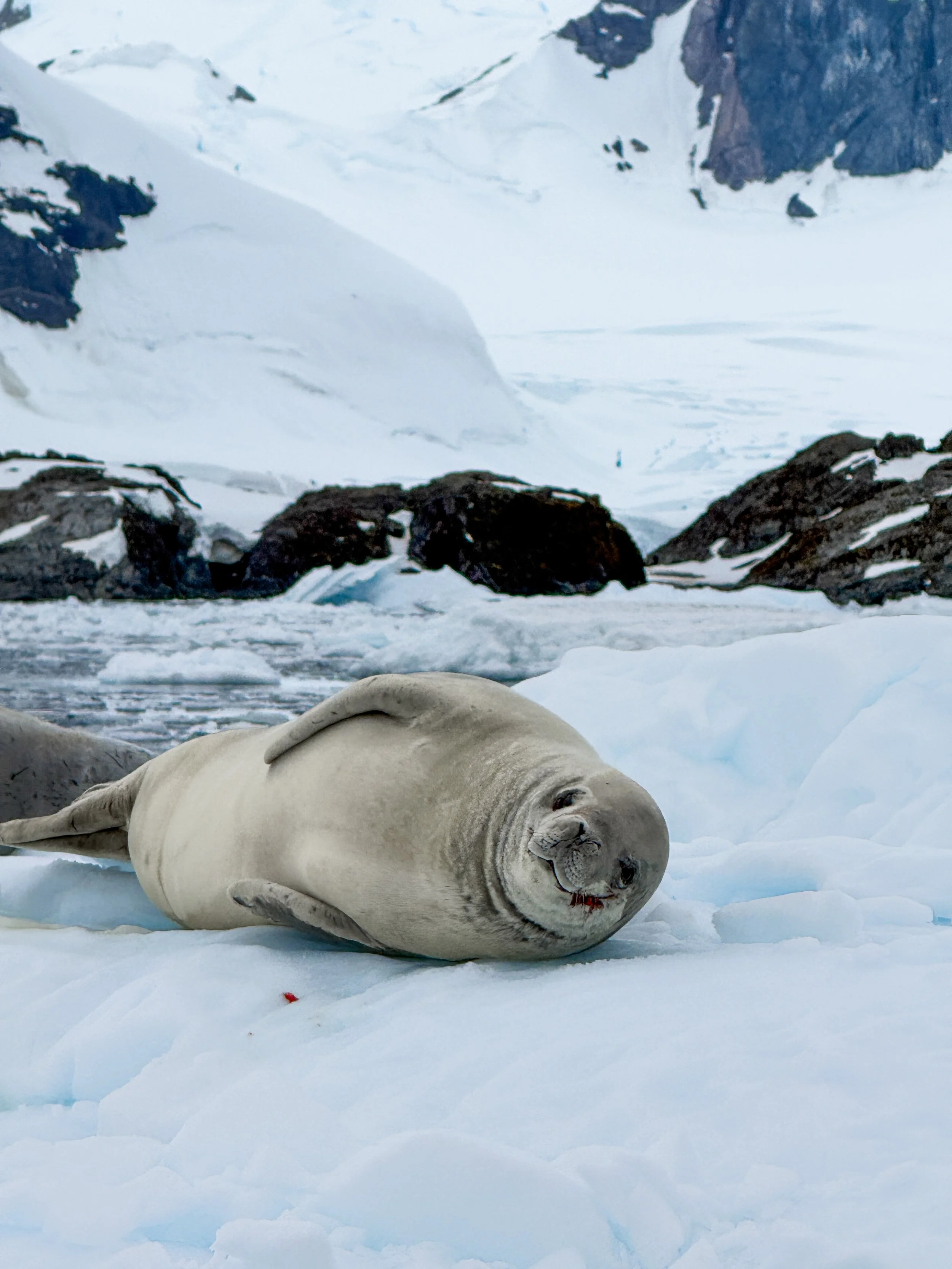
Are there polar bears in Antarctica?: No, there are no polar bears in Antarctica. I got asked this so much, especially when we went camping, but polar bears live in the Arctic, not Antarctica. Antarctica basically means “opposite of the Arctic,” and since Arctic comes from the Greek word for bear, this is the no-polar-bears side of the world.
Is Antarctica freezing cold?: It is definitely chilly, but it was not nearly as painfully cold as I expected. Most Antarctica cruises happen during Antarctica’s summer, usually November through March, so temperatures can be more manageable than people think. When we camped, it was around 33°F, which is cold, but not unbearable with the right layers. I’ve lived in NYC and believe me it was WAY worse there.
Is it bad for people to visit Antarctica?: This is a fair question, and I wondered about it too. Reputable expedition cruises take environmental protection very seriously. Before and after landings, your boots are sanitized, gear is cleaned, and passengers are instructed to stay on marked paths, keep distance from wildlife, and leave absolutely nothing behind.
Can you just walk anywhere on the continent?: No. During landings, the expedition team marks specific walking areas so guests do not disturb penguin highways, nesting areas, or fragile terrain. You are not just wandering freely around Antarctica.
Do people live in Antarctica?: No one lives there permanently. Antarctica is mostly home to scientists and support teams working at research stations, which makes visiting feel even more surreal.
Final Tips Before Booking
Book early: Cabin types, promos, and routes can sell out, especially for luxury expedition cruises or trips crossing the Antarctic Circle.
Choose your cabin carefully: Balcony rooms are amazing for scenery, but cabin pricing can vary a lot. As a travel advisor, I can help you decide where to splurge and where to save.
Add time before and after the cruise: We loved having time to explore Buenos Aires before flying south, and it also gave us a buffer in case of delays. I’ve heard so many horror stories where people missed the cruise departure because of flight delays. Don’t even chance this!
Go in with the right mindset: Antarctica is unpredictable. The best thing you can do is stay flexible, trust the crew, and enjoy whatever the continent gives you.
An Antarctica cruise is truly one of the most unforgettable trips you can take. Between stepping foot on the continent, cruising past icebergs, seeing penguins and whales up close, and possibly even camping on Antarctica, it is the kind of adventure that stays with you forever.
It is a splurge, but for a once-in-a-lifetime trip, it is absolutely worth it.
Ready to plan the Antarctica adventure of your dreams? I can help you pick the right ship and cabin, plus build your pre and post-cruise itinerary. Fill out my trip inquiry form and we can start planning today!
